Iran Hits the World's Biggest Gas Hub, and the War Just Got Much Worse
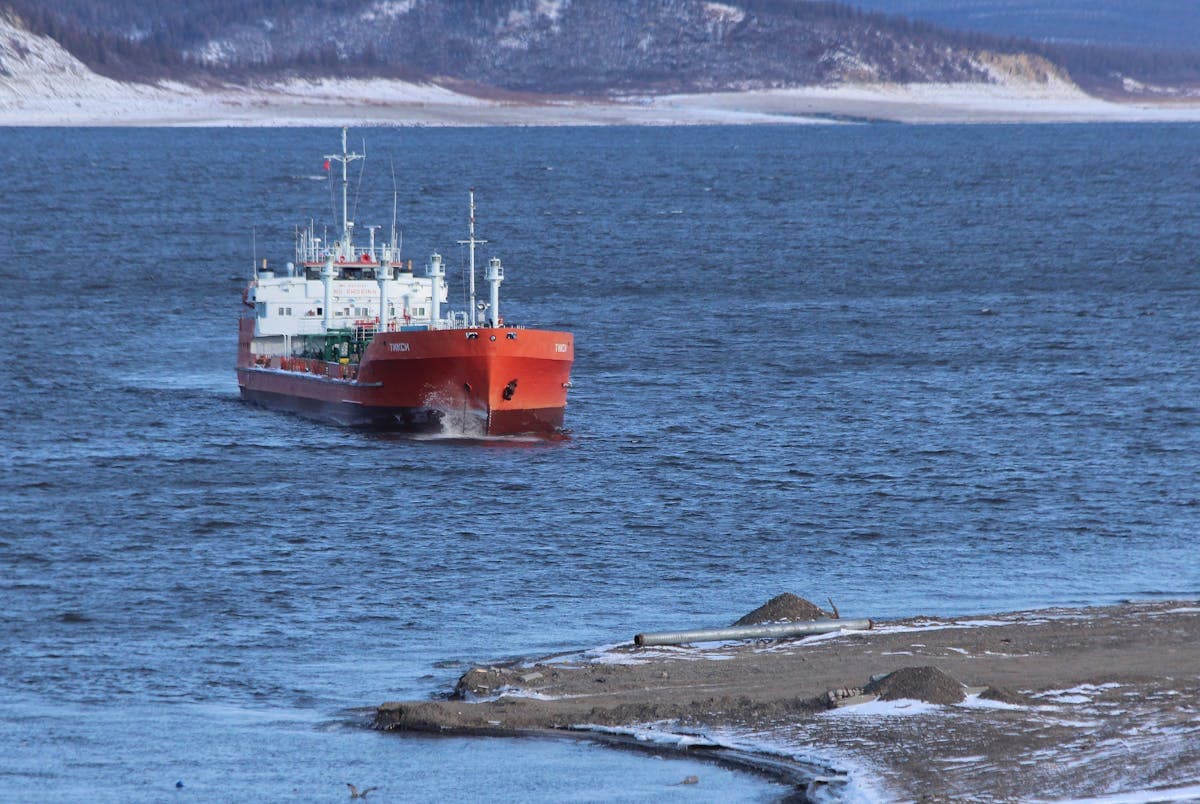
Twenty days into a war that nobody fully predicted, the Middle East just crossed another threshold. On March 18, Iran launched five ballistic missiles at Qatar's Ras Laffan Industrial City, the world's largest liquefied natural gas export terminal. Four were intercepted. One got through, sparking fires and causing what Qatari officials described as "extensive damage." No casualties were reported, but the economic shockwave was immediate: Brent crude surged more than 7% to $111 a barrel, and natural gas futures spiked across European and Asian markets. Welcome to day 19 of the 2026 Iran war.
How We Got Here
The war began on February 28, 2026, when the United States and Israel launched coordinated surprise airstrikes on dozens of sites across Iran, killing Supreme Leader Ali Khamenei on the very first day. The stated objectives were regime change, the destruction of Iran's nuclear program, and the elimination of its ballistic missile infrastructure. It was the most dramatic military action in the Middle East in decades, and it set off a chain of events that has since reshaped global energy markets, strained the NATO alliance, and put the world on edge.
Iran entered the conflict with 440 kilograms of uranium enriched to 60 percent purity, enough material, if further processed, for roughly 10 nuclear weapons. Ironically, this came just one day after Oman had announced a diplomatic breakthrough: Iran had apparently agreed to full IAEA verification and a cap on uranium stockpiles. The strikes went ahead anyway.
The Hormuz Chokepoint
Iran's most powerful counter-move wasn't a direct military attack. It was closing the door through which roughly 20 percent of the world's daily oil supply flows. On March 2, the Islamic Revolutionary Guard Corps officially announced the closure of the Strait of Hormuz to ships from the United States, Israel, and their Western allies. Within a week, Brent crude had broken $100 per barrel for the first time in four years, eventually peaking at $126.
The economic knock-on effects have been severe. Goldman Sachs raised its 2026 U.S. inflation forecast by 0.8 percentage points and trimmed its GDP growth forecast by 0.3 points. Urea fertilizer prices, critical for global agriculture, jumped from $475 to $680 per metric ton in a matter of weeks. About one-third of all global fertilizer trade transits the strait.
Trump has been demanding that NATO allies and China help reopen the corridor, calling their refusal a "very foolish mistake." European governments pushed back, noting that NATO's Article 5 obligations are geographically limited to the North Atlantic region and don't extend to the Persian Gulf. The alliance wasn't built for this scenario, and nobody has been eager to volunteer.
Decapitating Iran's Leadership
While the Hormuz standoff dominated headlines, Israel has been systematically targeting Iran's top officials. On March 17, two of Tehran's most senior figures were killed in Israeli airstrikes: Ali Larijani, Iran's de facto leader since Khamenei's death and secretary of the Supreme National Security Council, and Gholamreza Soleimani, commander of the internal Basij militia. A day later, Intelligence Minister Esmail Khatib was also killed, making him the third senior official eliminated in roughly 24 hours. By mid-March, an estimated 40 Iranian officials had been killed since the war began, along with more than 4,800 members of the Iranian military.
Iran retaliated swiftly after the Larijani killing, firing missile barrages at Israel that killed two people near Tel Aviv. The cycle has accelerated since: Israel strikes Iranian leadership, Iran fires back at Israeli cities and Gulf energy infrastructure, energy markets lurch higher.
Qatar Becomes a Target
The strike on Ras Laffan is the most economically consequential attack yet on a third-party Gulf state. Qatar had been walking a careful line, maintaining relations with both the United States and Iran while protecting its energy exports. That calculation just became far more complicated.
Ras Laffan handles roughly a fifth of global LNG supply, feeding Europe, Japan, South Korea, and much of Asia. The strike came hours after Israeli jets targeted Iran's South Pars gas field, the massive offshore reservoir that Qatar shares with Iran. Iran's logic appears to be: if our energy infrastructure gets hit, so does everyone else's.
Qatar intercepted four of the five incoming missiles, and QatarEnergy confirmed no personnel casualties. But the damage to facilities was significant, and the message to other Gulf states was unmistakable. Saudi Arabia also reported aerial threats intercepted on the same day. The Gulf, which had been trying to stay out of this war, is being pulled in.
Ceasefire? Not Yet.
Trump claimed on March 17 that Iran was ready to negotiate a ceasefire, but said the "terms aren't good enough yet." Iran's Foreign Minister Abbas Araghchi immediately contradicted him, saying Tehran had never asked for a ceasefire and doesn't want one, at least not a temporary one. "We want the war to end completely and permanently," Araghchi said, "and the United States must be held accountable."
The disconnect is significant. Trump appears to be looking for a deal he can frame as a win, while Iran is demanding full accountability and a permanent resolution, not a pause. Israel has said there is no time limit on its operations. With both sides talking past each other publicly, the path to any negotiated end remains murky.
What to Watch
The Ras Laffan strike has introduced a new dimension to this conflict. If Iran continues targeting Gulf energy infrastructure, the pressure on the United States to either escalate militarily or broker a real ceasefire will intensify dramatically. Saudi Arabia and the UAE have been supplying alternative oil to markets, but they can't absorb a full collapse of Qatari LNG exports indefinitely.
On the diplomatic front, watch whether any credible back-channel emerges. Oman played this role before the war began, and there are reports of Qatar and Switzerland being floated as potential intermediaries. Trump's domestic political calendar also matters: the 2026 midterms are close enough that a prolonged, expensive war with no exit ramp starts to look like a real liability.
Day 19 of this war has already killed more than 2,000 people across the region, sent oil toward $130, disrupted food supply chains on three continents, and fractured the Western alliance in ways that won't be repaired quickly. The next 19 days will likely determine whether the world is looking at a contained, albeit devastating, regional war, or something with truly global consequences.
References
- Iran War: Qatar's Ras Laffan LNG Plant Hit by Missile, Extensively Damaged - Bloomberg
- Iran war live updates: Iran hits world's largest liquefied natural gas terminal in Qatar - ABC News
- Trump pressures NATO, China to reopen Strait of Hormuz - NBC News
- Iran Rejects Cease-Fire Talks as War Rages On - TIME
- 2026 Iran war - Wikipedia
- 2026 Strait of Hormuz crisis - Wikipedia
Get the Daily Briefing
AI, Crypto, Economy, and Politics. Four stories. Every morning.
No spam. Unsubscribe anytime.