Trump Wants ICE at Airports, and the DHS Shutdown Just Hit a New Low
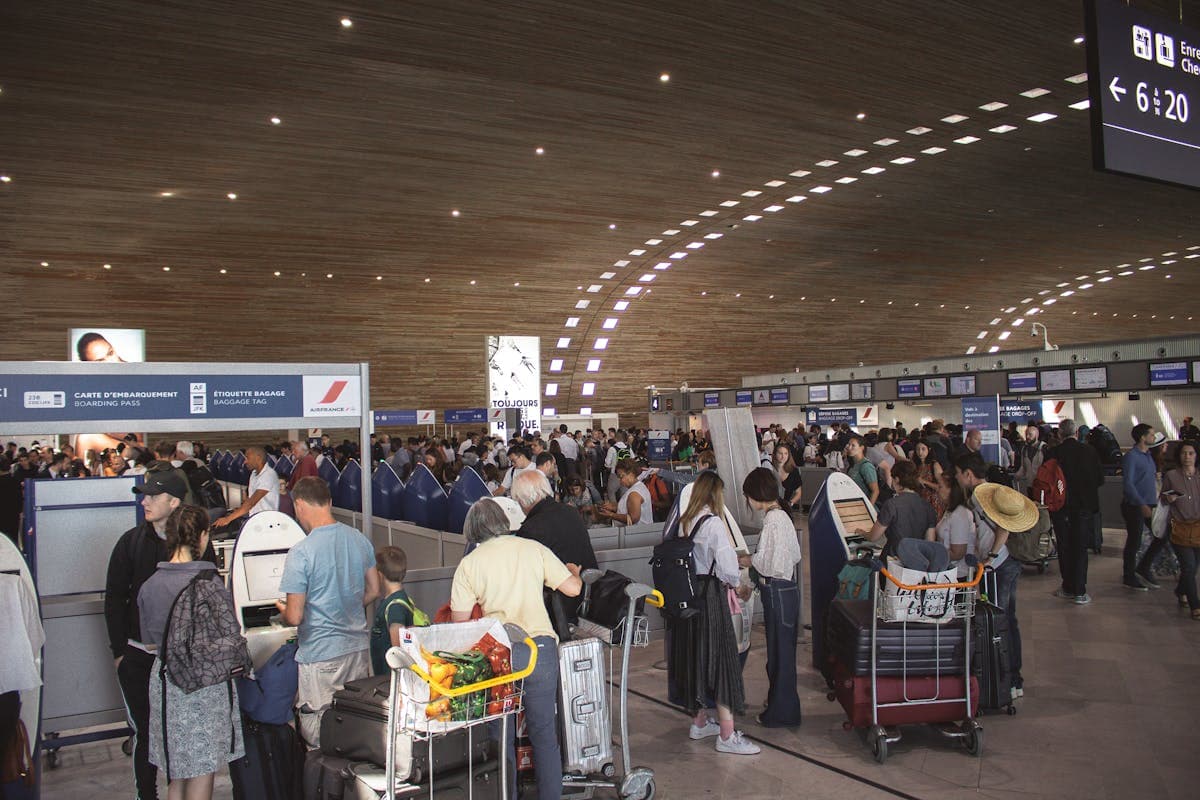
If you're flying anywhere in America right now, you already know something is very wrong. Lines wrapping through entire terminals, three hour waits at security, and the people scanning your bags haven't been paid in weeks. The Department of Homeland Security has been shut down for 35 days, and things just got a whole lot weirder: President Trump announced Saturday night that he's ready to send Immigration and Customs Enforcement agents to staff airport checkpoints starting Monday.
Welcome to the most absurd government standoff of the decade.
How We Got Here
The DHS shutdown started on February 14 when Congress failed to pass a funding bill for the department. That's five weeks ago. The impasse boils down to a bitter fight between Republicans and Democrats over immigration enforcement. After a pair of deadly shootings by ICE officers in Minneapolis earlier this year, Democrats have insisted on reforms before they'll vote to fund the agency. Republicans, backed by the White House, want a clean funding bill with no strings attached.
The result? A sprawling department that employs roughly 260,000 people, overseeing everything from border security to airport screening to disaster response, is running on fumes. Essential workers like TSA officers are required to keep showing up, but they're doing it without paychecks. The last full pay they received was more than two weeks ago.
TSA Is Hemorrhaging Workers
The numbers tell the story better than any pundit can. Since the shutdown began, 366 TSA officers have quit. The national call-out rate has hovered above 9% for six straight days, hitting a record 10.22% on Monday. And those are the national averages.
At individual airports, it's been far worse. Houston's Hobby International Airport saw a staggering 55% of scheduled TSA staff call out on a single day in mid-March. At Hartsfield-Jackson Atlanta International, more than a third of screeners were absent earlier this week. In total, about 61,000 TSA employees are being asked to keep working with no guarantee of when they'll see their next check.
Wait times have ballooned accordingly. Houston Hobby saw lines stretch past three hours. Atlanta and New Orleans have regularly hit two hours. Some airports are now telling passengers to arrive three full hours before domestic flights, the kind of buffer that used to be reserved for international travel.
Trump's ICE Gambit
Into this mess, Trump dropped a social media bombshell Saturday evening. "ICE is ready to go on Monday," he posted, threatening to deploy immigration enforcement agents to handle airport security if Democrats don't immediately agree to fund DHS. He framed it as a way to both address the TSA staffing crisis and crack down on undocumented immigrants, claiming ICE agents would arrest people in the country illegally while running checkpoints.
The idea is legally and logistically questionable, to put it mildly. TSA officers undergo specialized training for airport screening. ICE agents are trained for immigration enforcement, not X-ray machines and pat-downs. Security experts were quick to point out that swapping one for the other is not how any of this works. But the political messaging was effective: Trump got to blame Democrats for the airport chaos while positioning himself as the guy willing to act.
Musk Enters the Chat
Because no crisis in 2026 is complete without an Elon Musk cameo, the billionaire weighed in Saturday with an offer to personally pay TSA salaries during the shutdown. Based on TSA's headcount, that would run him roughly $40 million per week, which is pocket change for the world's richest man but an enormous legal headache. There's no clear mechanism for a private citizen to pay federal employee salaries, and government ethics lawyers immediately flagged the problems with having a tech mogul bankroll a federal workforce.
Still, the offer generated exactly the headlines Musk wanted. It also underscored just how surreal this standoff has become: the government can't pay its own airport security, so the CEO of Tesla is offering to foot the bill.
The Senate Can't Get It Done
Meanwhile, the legislative path forward looks bleak. The Senate voted on the latest DHS funding bill on Friday, and for the fifth time since the shutdown began, it failed to clear the 60-vote threshold. The final tally was 47-37, well short of what was needed.
Senate Majority Leader John Thune has tried to raise the stakes by threatening to cancel the chamber's two-week Easter recess, scheduled to start March 27. If senators can't cut a deal by then, he says, they're staying in Washington. That might sound like leverage, but five failed votes suggest the two sides are nowhere close to a compromise.
What Both Sides Want
The core disagreement hasn't changed in five weeks. Democrats want ICE reforms attached to any funding bill. Their demands include body cameras for agents, requirements for judicial warrants, and rules requiring officers to identify themselves during enforcement operations. These demands stem directly from the Minneapolis shootings, which killed Alex Pretti and Renee Good and sparked national outrage.
Republicans and the White House say these conditions are non-starters. They argue that Democrats are holding homeland security hostage over policy riders and that the funding bill should be clean. Border czar Tom Homan met with a bipartisan group of senators on Thursday, which was described as the first real face-to-face negotiation in six weeks. But Senator Patty Murray, the Democratic vice chair of the Appropriations Committee, was blunt afterward: "We are still very apart."
Spring Break Is Coming
Here's what makes the next few days critical. Spring break travel season is ramping up fast. TSA typically sees a significant surge in passenger volume from mid-March through early April. The agency is already struggling to staff checkpoints with current traveler numbers; a spring break surge could push the system past its breaking point.
A senior TSA official warned last week that some airports may need to close certain security checkpoints entirely if staffing continues to deteriorate. That's not a hypothetical scare tactic. When more than half your workforce calls out at a given airport, you can't keep every lane open. The result would be even longer waits, missed flights, and potentially airlines canceling routes to airports they consider operationally unreliable.
What to Watch
Three things will determine how this plays out in the coming days. First, whether Trump actually follows through on the ICE deployment threat. If federal immigration agents show up at airport checkpoints Monday morning, it will trigger an immediate legal and political firestorm. Second, watch the Senate recess deadline on March 27. If Thune cancels the break, it signals real pressure on both parties to deal. If lawmakers scatter for two weeks anyway, the shutdown could stretch well past 50 days. Third, keep an eye on TSA attrition. Every day without pay pushes more officers toward the door, and unlike most government shutdowns, this one doesn't have a clear resolution timeline.
The DHS shutdown has gone from political standoff to genuine public safety concern. It's one thing when bureaucrats shuffle paper in empty offices. It's another when the people keeping airports safe are walking off the job.
References
- Trump threatens to deploy ICE agents to airports if DHS shutdown doesn't end - CNBC
- Senate fails to advance DHS funding bill for 5th time - CBS News
- TSA workers go unpaid as unpredictable wait times mount - CNN
- DHS shutdown stretches to 35 days as Democrats block funding bill - The Hill
- Musk offers to pay TSA salaries, as Trump floats ICE at airports - Axios
Get the Daily Briefing
AI, Crypto, Economy, and Politics. Four stories. Every morning.
No spam. Unsubscribe anytime.