The Stagflation Nightmare Is Back: Tariffs, Oil, and a 0.8% PPI Shock
A Perfect Storm Hits the Economy
Two enormous inflationary shocks are slamming into the U.S. economy at the same time, and neither one was priced into anyone's baseline forecast at the start of the year. New tariffs on Canada, Mexico, and China are going into effect today, March 4. Meanwhile, the U.S.-Iran conflict has pushed Brent crude above $82 a barrel with the Strait of Hormuz effectively paralyzed. And then there's the data that landed like a grenade last week: the Producer Price Index spiked 0.8% in a single month, driven largely by tariff pass-through hitting wholesale costs.
Mohamed El-Erian, the economist who made his reputation calling the original "new normal" after 2008, went on record this week warning that a prolonged Iran conflict could push the global economy into stagflation: the toxic combination of stagnant growth and persistent inflation that gives central banks no good options.
The Tariff Escalation
Today marks a significant escalation in the trade war. The Trump administration is implementing tariffs on Canadian and Chinese goods simultaneously. China now faces a cumulative rate of 35% to 50% depending on the product category. Canada and Mexico face 25% tariffs on most goods, though the administration is expected to grant some exemptions in coming days.
The legal basis shifted after the Supreme Court struck down the administration's broad use of IEEPA (International Emergency Economic Powers Act) for trade purposes. The White House pivoted to Section 122 of the Trade Act of 1974, which allows tariffs of up to 15% for 150 days to address trade deficits. A baseline 10% global tariff took effect February 24, with Trump threatening to push it to 15%.
The market reaction has been swift. The S&P 500 dropped 1.8% on March 3, and the Nasdaq fell 2.6%. The probability of a Fed rate cut in March has collapsed from 85% in early February to under 20% as of this week.
The Oil Price Problem
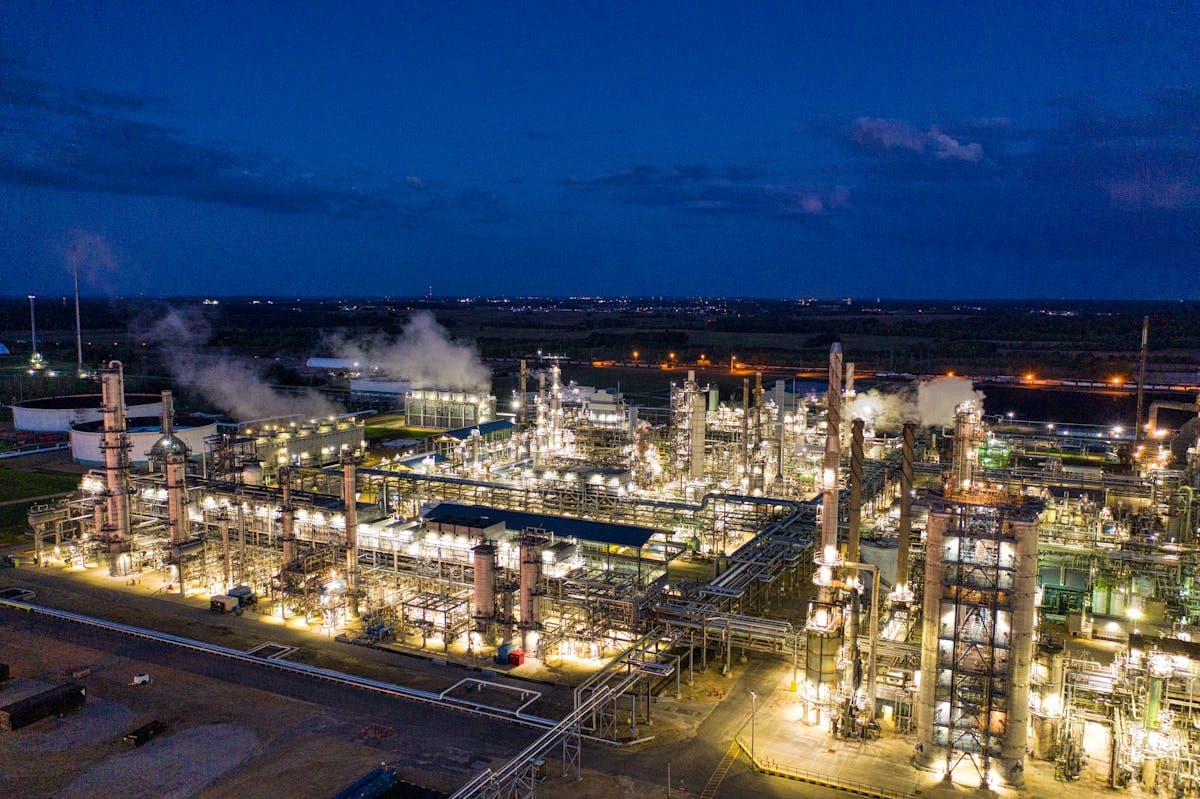
The Iran conflict adds a second, simultaneous inflationary force. Brent crude is trading above $82 a barrel after the effective closure of the Strait of Hormuz, through which roughly one-fifth of globally traded oil and gas passes. WTI crude surged more than 8% to $77.05 in a single session.
The rule of thumb economists use: every $10 increase in oil prices adds about 0.2 percentage points to CPI. With oil up roughly $15-20 from pre-conflict levels, that translates to an additional 0.3-0.4% drag on the inflation outlook before the tariff effects even layer on top.
The combined effect is brutal for consumers. Gas prices are already rising, food prices will follow as transportation and energy costs feed through, and the tariffs will add direct cost increases to imported goods ranging from electronics to building materials.
The PPI Data That Spooked Everyone
The January PPI report was the data point that crystallized the stagflation fears. Core PPI jumped 0.8% month-over-month, with the spike driven by a 2.5% leap in trade services margins and a staggering 14.4% explosion in professional equipment wholesaling costs. Analysts pointed directly at the recently imposed global tariffs as the primary driver: wholesale costs are being passed down the supply chain at an accelerating rate.
This matters because PPI is a leading indicator for consumer prices. What shows up in producer prices today tends to appear in CPI data a few months later. If January's PPI is any guide, the inflation numbers for Q1 2026 are going to be ugly.
Headline inflation is already stuck near 3%, well above the Fed's 2% target. The 10-year Treasury yield sitting at 3.95% tells you the bond market is pricing in exactly this scenario: inflation that refuses to come down, making rate cuts impossible even as growth slows.
The Fed's Impossible Position
The Federal Reserve faces what may be its most challenging policy dilemma since the 1970s. On one hand, the economy is clearly slowing. Job growth averaged just 53,000 per month in late 2025, and GDP growth slowed to 1.4% in Q4 2025. The labor market is weakening, with unemployment projected to rise to 4.5% this year.
On the other hand, tariffs and energy prices are pushing costs higher, which means cutting rates to support growth would risk further stoking inflation. This is the textbook stagflation trap, and there's no clean way out.
The Russell 2000 outperforming the Nasdaq by nearly 9% over the past 30 days is a telling market signal. Investors are rotating away from growth-oriented tech stocks and into domestically-focused small caps that might benefit from trade protection. But that rotation reflects anxiety, not confidence.
Corporate America Is Already Feeling It
The numbers coming out of corporate earnings paint a clear picture of tariff damage. Caterpillar reported a 9% drop in operating profit due to $1.03 billion in manufacturing cost headwinds directly tied to steel and aluminum tariffs. GM warned that 2026 costs could swell to $4 billion from the full-year implementation of global surcharges.
These aren't theoretical models or forecasts. These are actual losses being reported by some of America's largest companies. The tariff costs have to go somewhere: either companies absorb them and margins shrink, or they pass them to consumers and inflation rises. Either outcome is bad for the economy.
What to Watch
The March FOMC meeting will be the next crucial moment. The market has almost completely priced out a rate cut, but the language around the Fed's dual mandate, balancing employment and price stability, will signal how policymakers view the stagflation risk.
Beyond the Fed, watch oil prices and the Strait of Hormuz situation. Trump's statement that the U.S. Navy will escort tankers through the strait "if necessary" provides some reassurance, but the market needs to see actual tanker traffic resume, not just promises. If oil stays above $80 for an extended period while tariffs remain in place, the stagflation scenario shifts from a risk to a baseline assumption.
The 150-day clock on the Section 122 tariffs means Congress will need to act by late July if the administration wants to extend them. That deadline creates a window for either negotiation or further escalation, and the markets will be watching every signal.
References
- Trump to hike global tariffs to 15% from 10% - CNBC
- El-Erian warns war in Iran could lead to global stagflation - Fortune
- The Return of Stagflation: US-Iran Conflict and PPI Surge - FinancialContent
- As Trump declares inflation tamed, Iran conflict threatens new price pressures - CNBC
- Tariff Tracker: 2026 Trump Tariffs & Trade War by the Numbers - Tax Foundation
Get the Daily Briefing
AI, Crypto, Economy, and Politics. Four stories. Every morning.
No spam. Unsubscribe anytime.