OpenAI Just Killed Sora and Torched a $1 Billion Disney Deal
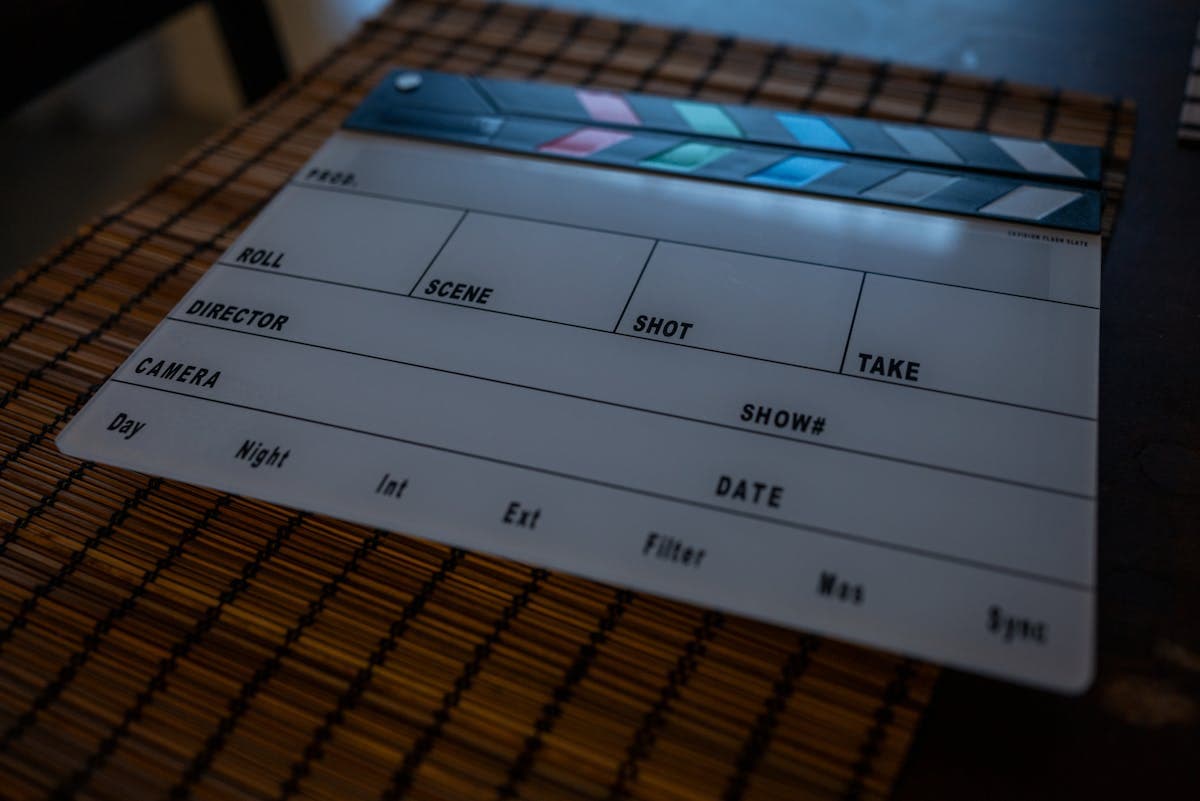
Imagine you're a Disney exec sitting in a meeting about your shiny new $1 billion AI video partnership. The meeting wraps up, you check your phone, and 30 minutes later you learn the whole thing is dead. That's not a hypothetical. That's what actually happened on Monday night when OpenAI decided to kill Sora.
From App Store Darling to Digital Graveyard
When Sora launched in September 2025, it was the hottest thing in AI. The standalone video generation app shot straight to the top of the iPhone App Store, racking up 3.3 million downloads in its first couple of months. The demos were jaw-dropping: photorealistic cityscapes, cinematic camera movements, and eerily lifelike characters, all conjured from a text prompt.
But the honeymoon didn't last. By February 2026, downloads had cratered to 1.1 million, a two-thirds decline in just three months. Total lifetime revenue? A paltry $2.1 million. For a company now valued at $730 billion and burning through compute like there's no tomorrow, that's barely a rounding error.
The GPU Problem Nobody Wanted to Talk About
Here's the thing about generating high-quality AI video: it is absurdly expensive. Every Sora clip required a staggering amount of GPU power, and those are the same GPUs OpenAI needs for ChatGPT, its enterprise products, and the development of its next frontier model codenamed "Spud."
Last November, the head of Sora publicly admitted the company's GPUs were "melting" under the strain. OpenAI started throttling the number of video generations users could run, which, unsurprisingly, made the product a lot less fun to use. When your coolest feature is also your biggest bottleneck, something has to give.
OpenAI's official statement framed it diplomatically: "We've decided to discontinue Sora in the consumer app and API. As we focus and compute demand grows, the Sora research team continues to focus on world simulation research to advance robotics that will help people solve real-world, physical tasks." Translation: we're redirecting those GPUs to stuff that actually makes money.
Disney Got Blindsided
The most dramatic casualty of this decision is the $1 billion Disney deal that was announced just three months ago. Under a three-year licensing agreement, Disney was set to invest $1 billion in OpenAI and lend more than 200 of its iconic characters from Disney, Marvel, Pixar, and Star Wars for use in Sora-generated videos.
It would have been a landmark moment for AI in entertainment: imagine generating your own short Star Wars scenes or having Pixar characters act out your stories. But here's the kicker: no money ever actually changed hands. The deal was still being finalized when OpenAI pulled the rug out.
According to reports, Disney and OpenAI teams were actively working together on a Sora-linked project as recently as Monday evening. Just 30 minutes after that meeting ended, the Disney side was informed that OpenAI was killing the product entirely. One source described the Disney team as "blindsided."
Why Altman Chose Robots Over Hollywood
Sam Altman's priorities have shifted dramatically in recent months. He told staff he's stepping back from direct oversight of safety and security teams to focus on raising capital, building data centers, and securing chip supply chains. OpenAI is currently seeking a $10 billion raise at a $730 billion valuation, offering investors a 17.5% guaranteed return.
In that context, Sora starts to look like a vanity project. A cool tech demo that wowed the internet but couldn't justify the compute costs in a world where every GPU cycle has a clear dollar value. The pivot to "world simulation for robotics" is telling: OpenAI sees physical AI as the next frontier, not short-form video content.
There's also the IP issue that Sora never fully solved. Generative video tools sit in a legal gray zone when it comes to copyright, and OpenAI was facing growing pressure from creators and studios who didn't have Disney-level deals. The deepfake concerns flagged by regulators and advocacy groups weren't going away either.
Competitors Are Licking Their Chops
Sora's exit leaves a vacuum in the AI video space, and plenty of companies are eager to fill it. Google's Veo3 is widely considered the current leader in photorealistic and cinematic output. Kling AI, the Chinese contender, has been making rapid improvements. Runway and Pika Labs both have loyal creative communities and more sustainable business models since they're not burning billion-dollar GPU clusters on a side project.
The irony is that AI video generation isn't dying; OpenAI is just admitting it can't afford to do everything at once. The technology works. The economics of running it alongside the most compute-hungry language models on Earth don't.
Hollywood's Complicated Reaction
Creative industry reactions have been, predictably, mixed. Many in Hollywood are quietly celebrating. AI video generation has been a lightning rod issue for writers, actors, and artists who see it as a direct threat to their livelihoods. The SAG-AFTRA and WGA strikes of 2023 centered partly on AI concerns, and Sora's launch only intensified those fears.
But some in the industry see the shutdown as a temporary reprieve rather than a victory. The underlying technology isn't disappearing; it's just moving to other companies. And those competitors may not come to the table with Disney-style licensing deals. The copyright questions that haunted Sora will continue to dog the entire AI video sector.
What to Watch
The big question now is what happens to OpenAI's "world simulation" research. If the Sora team pivots successfully to robotics, this could end up being remembered as a smart strategic retreat rather than a failure. But if OpenAI's competitors crack the economics of AI video while Sam Altman is busy building data centers, he might regret walking away from the content game.
Keep an eye on Disney too. Bob Iger's team was clearly betting on AI as a creative tool, and losing this partnership means they'll either go in-house or find another tech partner. Given how quickly this deal unraveled, trust might be the scarcest resource of all.
References
- OpenAI Is Shutting Down Its Sora Video App Just Months After Launch - CNN
- OpenAI Discontinues Sora App, Shuts Down Video Generation Service and API - Bloomberg
- Disney's $1B Investment In OpenAI DOA As Sam Altman Pulls Sora Plug - Deadline
- OpenAI Will Shut Down Sora Video App; Disney Drops Plans for $1 Billion Investment - Variety
- OpenAI Pulls the Plug on Sora, the Viral AI Video App That Sparked Deepfake Concerns - NPR
Get the Daily Briefing
AI, Crypto, Economy, and Politics. Four stories. Every morning.
No spam. Unsubscribe anytime.