Iran War Day Seven: Azerbaijan Hit, Trump Wants to Pick the Next Leader, Congress Says No to War Powers
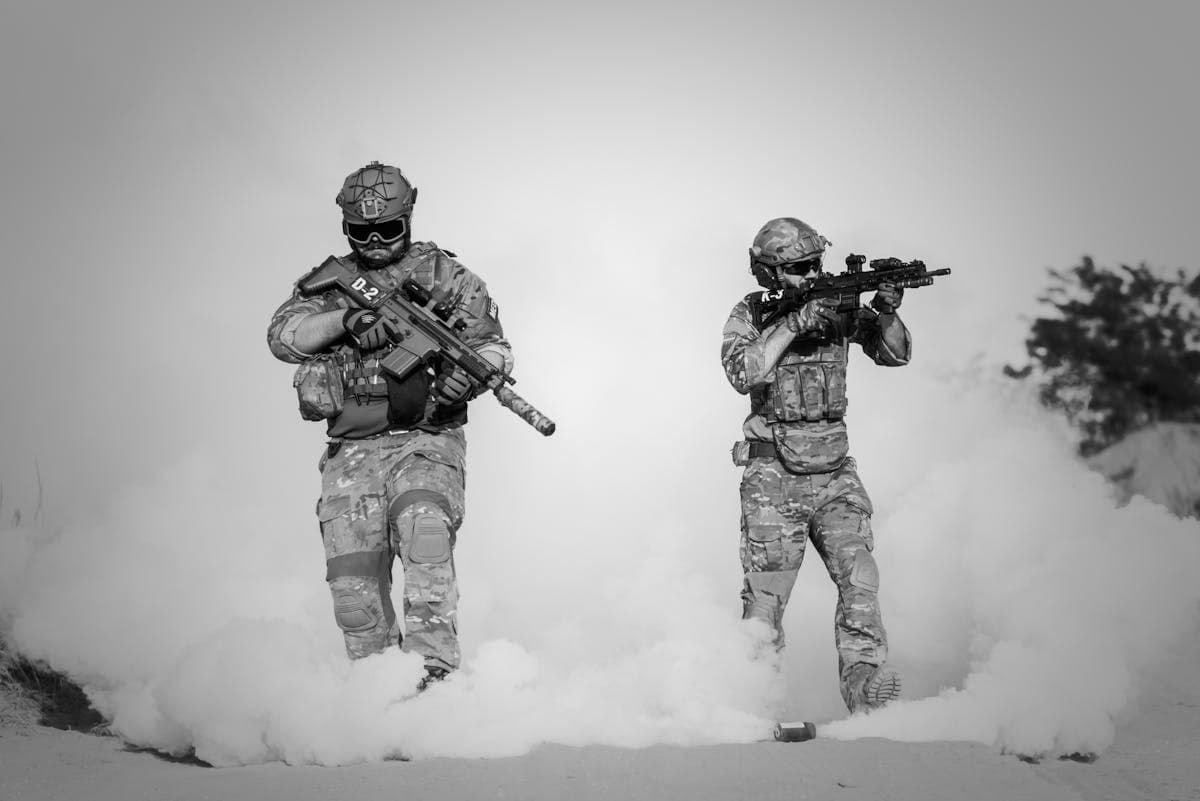
One week into the Iran war, the conflict is no longer just about Iran. Iranian drones struck Azerbaijan on Thursday, a US submarine torpedoed an Iranian frigate in the Indian Ocean off Sri Lanka, Hezbollah and Israel are exchanging fire across Lebanon, and Donald Trump casually told reporters he plans to help pick Iran's next leader. Oh, and Congress had a chance to pump the brakes and decided not to. Day seven of Operation Epic Fury feels less like a contained military campaign and more like the opening chapter of something much bigger.
Azerbaijan Gets Dragged In
The newest country pulled into this war is Azerbaijan, and nobody saw it coming. Iranian drones struck the airport in Azerbaijan's Nakhchivan exclave, injuring four people. Nakhchivan is a strip of Azerbaijani territory sandwiched between Armenia, Turkey, and Iran, physically separated from the rest of the country. It is also home to a Turkish military base.
Why would Iran hit Azerbaijan? The short answer: Azerbaijan has quietly been one of Washington's closest partners in the region, and Tehran has long suspected Baku of allowing Israeli intelligence operations from its territory. Whether this strike was deliberate escalation or a targeting mistake, the result is the same. Another sovereign nation is now involved, and Turkey, Azerbaijan's closest ally, is watching very carefully.
A Frigate Sunk Off Sri Lanka
In one of the most dramatic naval engagements since the war began, a US submarine sank the Iranian Navy frigate IRIS Dena in the Indian Ocean, roughly 40 nautical miles south of Galle, Sri Lanka. Defense Secretary Pete Hegseth confirmed the torpedo strike. Out of approximately 130 sailors aboard, 87 bodies have been recovered and 32 crew members were rescued.
The context makes this especially provocative. The IRIS Dena was reportedly returning from a joint exercise with the Indian Navy. Iran's Foreign Minister Araghchi called it an "atrocity at sea," emphasizing the ship was "a guest of India's Navy" struck "in international waters without warning." CENTCOM, for its part, says the US has now struck or sunk over 20 Iranian ships since the war began on February 28. Iran's surface navy is being systematically dismantled.
The diplomatic fallout here could be significant. India has tried to stay neutral in this conflict, but having a ship that just participated in your naval exercises torpedoed by your strategic partner is, to put it mildly, awkward.
Trump: "We're Going to Have to Choose That Person"
Just when you think the geopolitics couldn't get more surreal, Trump weighed in with what might be the most extraordinary statement any US president has made during an active conflict. Speaking to Reuters, he said the US would need to help select Iran's next leader: "We're going to have to choose that person along with Iran."
He also called Mojtaba Khamenei, the son of the late Supreme Leader who has emerged as a potential successor, "a lightweight." Whether or not you agree with the sentiment, publicly declaring that you intend to handpick another country's leader while you're bombing it is a remarkable piece of diplomacy. It practically writes the IRGC's next recruitment poster.
This kind of rhetoric makes any future negotiation exponentially harder. Iranian officials who might privately consider a diplomatic off-ramp now have zero political space to pursue one. No leader can come to the table when the other side is openly advertising that they want regime change and a say in who comes next.
Congress Votes, and the Strikes Continue
Both chambers of Congress had a shot at invoking the War Powers Resolution, and both declined. The Senate rejected the measure 47 to 53, and the House followed with an equally narrow vote. The practical effect: Trump has the political green light to continue military operations in Iran without formal congressional authorization.
The votes were close enough to signal real unease, but not close enough to actually matter. A handful of Republican senators broke with the White House, citing concerns about mission scope and the lack of a clear endgame. But the party line held. For now, the war continues on the president's authority alone, with no defined timeline, no articulated end state, and no formal debate about what "victory" looks like.
The Lebanon Front Opens Up
As if the Iran theater weren't enough, Israel expanded its strikes into Lebanon, and Hezbollah is firing back. The number of internally displaced people in Lebanon has jumped to over 83,000, up from 58,000 just days earlier. That is a 43% increase in displacement in roughly 72 hours.
This is the scenario that defense planners have warned about for years: a regional war that activates Iran's entire proxy network simultaneously. Hezbollah's involvement turns this from a US/Israel versus Iran conflict into a multi-front war that stretches from the Mediterranean to the Indian Ocean.
Iran's Response: Missiles, Drones, and Promises of More
Iran is not going quietly. Since the war began on February 28, Tehran has launched over 500 ballistic and naval missiles and approximately 2,000 drones. Roughly 40% of those have been aimed at Israel and 60% at US targets across the region. The IRGC commander promised that the coming days will bring "more intense and widespread" attacks.
The human cost is mounting. Iranian state media outlet Tasnim now reports at least 1,230 dead in Iran, with more than 6,000 wounded. On the American side, six service members have been killed: four in a drone strike on a base in Kuwait and two in earlier incidents. Those numbers will almost certainly climb as the conflict intensifies.
Hormuz Stays Shut, Oil Stays Expensive
The Strait of Hormuz remains effectively closed. Tanker traffic is at a standstill, and Brent crude is sitting above $82 a barrel. For context, about 20% of the world's oil passes through that chokepoint on a normal day. Every day it stays shut, the global economic pressure builds.
The longer this goes on, the more it starts to look like a structural shift in energy markets rather than a temporary disruption. Shipping companies are rerouting around the Cape of Good Hope, adding weeks and enormous cost to deliveries. Countries that depend heavily on Gulf oil, particularly in Asia, are starting to feel the squeeze.
What to Watch
Day seven makes the trajectory clear: this war is expanding, not contracting. The key questions for the coming days are whether Turkey responds to the Azerbaijan strike, whether India recalibrates its neutrality after the IRIS Dena incident, and whether Iran's promise of escalation is rhetoric or preview. Congress has stepped aside. The Strait of Hormuz is blocked. And the president of the United States says he wants to help pick who runs Iran next. The off-ramps are getting harder to find.
References
- Trump wants to help pick Iran's next leader as the war stretches into Day 6 - NPR
- Live Updates: As Iran war expands, Trump says he must have a role in choosing the country's next leader - CBS News
- Live updates: Iran vows revenge after U.S. sinks warship; foreign minister rejects negotiations - NBC News
- U.S. has struck or sunk over 20 Iranian ships, CENTCOM says - NBC News
- Live updates: House narrowly rejects war powers resolution - NBC Washington
Get the Daily Briefing
AI, Crypto, Economy, and Politics. Four stories. Every morning.
No spam. Unsubscribe anytime.