The US-India Trade Deal: Biggest in Decades, But Read the Fine Print
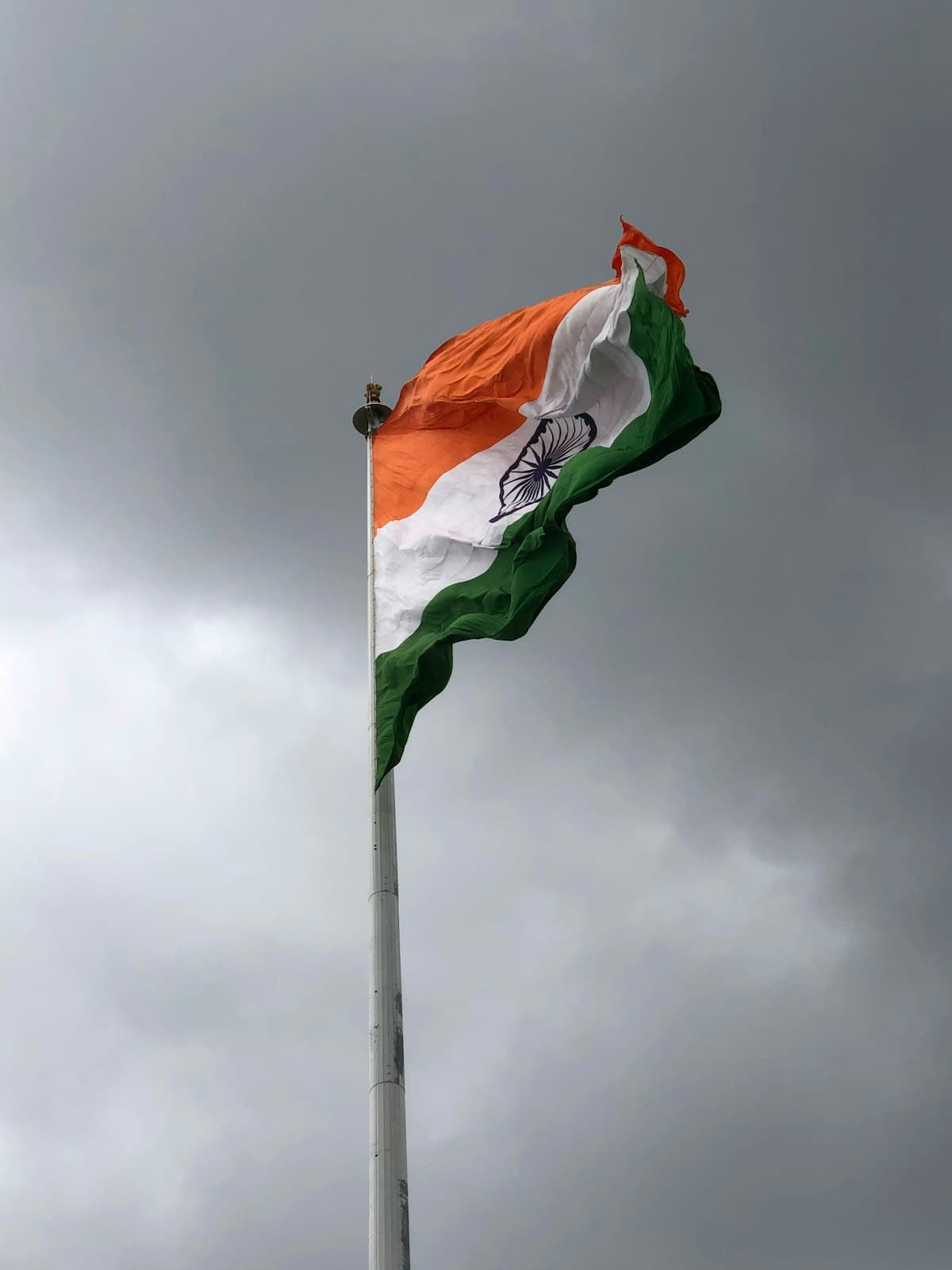
The Big Announcement
On February 2, 2026, Trump and Modi announced a landmark trade deal, the first major bilateral agreement between the US and India in decades. US tariffs on Indian goods drop from 50% to 18%, and India commits to buying $500 billion in American goods over five years.
What's In It?
The deal covers a lot of ground. India will cut tariffs on US aircraft parts, agricultural products (nuts, soybean oil, wine), and tech products. In return, the US significantly lowers its "reciprocal" tariffs on Indian goods. The $500 billion purchase commitment covers energy, aircraft, precious metals, tech, and coal.
The Russia Angle
Here's the geopolitical twist: India agreed to stop purchasing Russian oil. In exchange, Trump signed an Executive Order removing the additional 25% retaliatory tariff. This is a huge shift for India, which has maintained a long strategic relationship with Moscow. If it holds, it fundamentally reshapes energy markets and global alliances.
But... the Fine Print
Despite the fanfare, there are real questions. India hasn't officially confirmed all of Trump's claims, particularly slashing duties to zero and fully stopping Russian oil purchases. A formal agreement isn't expected to be signed until March 2026. Goldman Sachs estimated US trade uncertainty was already dragging India's GDP growth by 0.3 percentage points, so both sides have incentive to make this work. But farmer unions in India oppose opening markets to US agriculture, and Indian manufacturers worry about zero duties on American machinery. This one's far from done.
References
Get the Daily Briefing
AI, Crypto, Economy, and Politics. Four stories. Every morning.
No spam. Unsubscribe anytime.