Five Central Banks, One Answer: Nobody Moved This Week
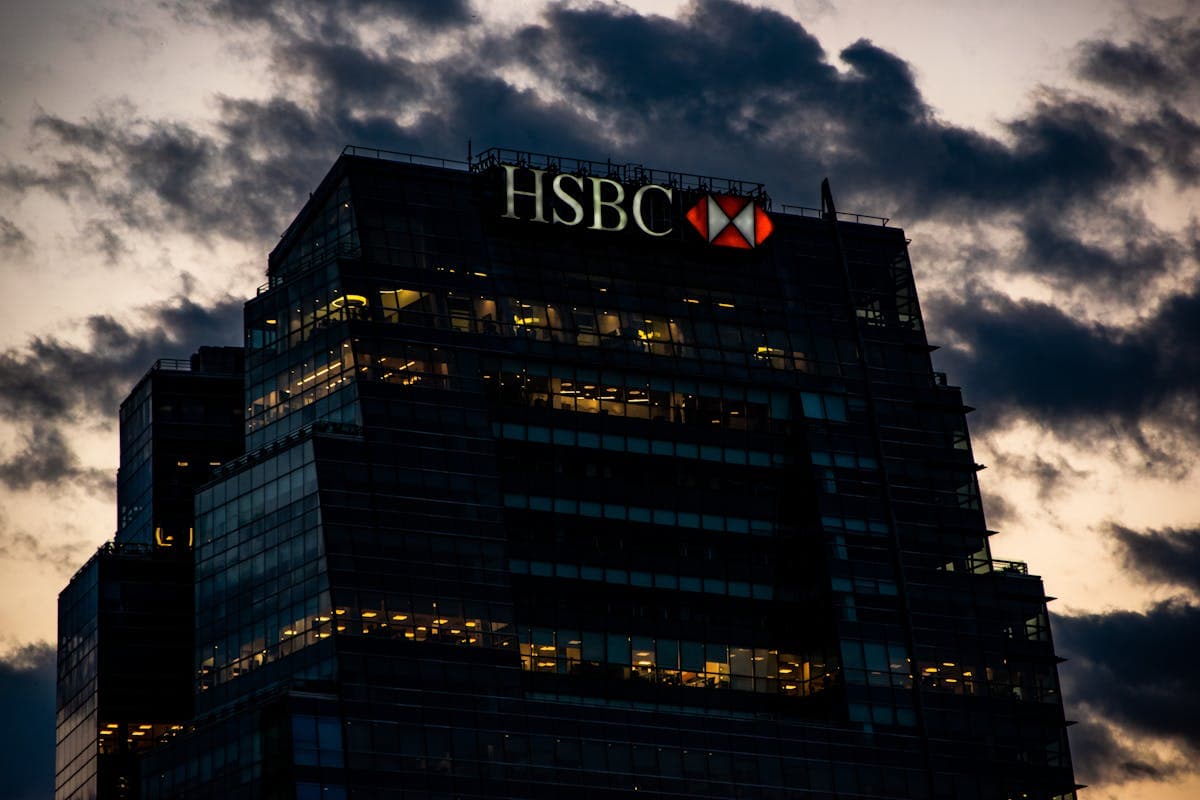
Seven rate decisions in three days, zero changes. That's the headline from what traders are calling the "super central bank week" of March 2026. The Federal Reserve, European Central Bank, Bank of Japan, Bank of England, and Swiss National Bank all announced their decisions between March 18 and 19, and every single one of them reached the same conclusion: sit tight and wait. When five of the world's most powerful institutions independently arrive at the same non-answer, that itself becomes the answer. The global economy is stuck in a fog, and nobody wants to be the first to move.
The Fed Sets the Tone
The Federal Reserve kicked things off on March 18 with an 11-to-1 vote to keep rates at 3.5% to 3.75%. No surprise there. But it was Chair Jerome Powell's press conference that really crystallized the mood. He acknowledged that "the forecast is that we will be making progress on inflation, not as much as we had hoped, but some progress." In other words, inflation is still a problem, just a slightly smaller one than before.
The updated dot plot tells the same cautious story. It still projects one rate cut in 2026 and another in 2027, but seven of 19 FOMC members now expect zero cuts this year, up from six in December. The Fed also raised its 2026 inflation forecast to 2.7% from 2.5%, largely because of surging energy costs. Powell put it bluntly: "Higher energy prices will push up overall inflation." Those eight words sent markets into a brief tailspin because they confirmed what everyone feared. The Fed sees the oil shock coming through into consumer prices and has no immediate plan to fight it.
The ECB Echoes the Message
Less than 24 hours later, the ECB followed suit, holding its deposit facility rate at 2.0% and the main refinancing rate at 2.15%. President Christine Lagarde's press conference could have been a carbon copy of Powell's in terms of tone, if not in language. She described the outlook as "significantly more uncertain" and pointed directly at the Iran conflict as the primary source of that uncertainty.
The ECB's revised forecasts paint a grimmer picture than December's. Headline inflation is now projected at 2.6% for 2026, a meaningful jump from the sub-2% forecast they published just three months ago. Growth, meanwhile, was revised down to 0.9%. That's the kind of number that makes you wonder whether "stagnation" or "slowdown" is the more appropriate word. Lagarde stressed that the conflict "will have a material impact on near-term inflation through higher energy prices," a phrase that could have come straight from the Fed's playbook.
Japan's Lone Dissenter
The Bank of Japan held at 0.75% in an 8-to-1 vote on March 19. What makes the BOJ decision notable is not the hold itself, which every single surveyed economist predicted, but the lone dissent. Board member Hajime Takata voted to raise rates to 1.0%, arguing that Japan's wage growth justified tightening even amid the geopolitical turmoil.
Governor Kazuo Ueda disagreed with that timing, telling reporters that "a new risk scenario tied to rising oil prices has emerged. We decided to maintain the status quo due to the significance of the new risk." Japan is in a peculiar position: its spring wage negotiations have delivered strong results, and underlying inflation is running well above the BOJ's target. Under normal circumstances, this would be exactly the moment to hike. But with oil prices creating enormous uncertainty about growth, Ueda chose patience. Most economists now expect the BOJ to reach 1.0% by midyear, just not right now.
The Bank of England Goes Unanimous
The Bank of England produced perhaps the most striking vote of the week. All nine members of the Monetary Policy Committee voted unanimously to hold at 3.75%, the first time every member has been on the same page since September 2021. When a committee that usually features at least one or two dissenters comes together in complete agreement, it signals just how clearly the risks are stacked.
The BOE's statement pointed to the Middle East conflict causing "a significant increase in global energy and other commodity prices" and warned that if the situation persists and hits UK prices harder than expected, the MPC would need to adopt a "more restrictive policy stance." Read that carefully: the Bank of England is not just saying it might hold rates for longer. It's explicitly saying it could raise them. That's a dramatic shift for a central bank that was expected to be cutting rates by now.
The Swiss National Bank Stands Guard
Rounding out the week, the Swiss National Bank held its policy rate at 0.0%, right where it's been since the SNB cut aggressively through 2025. But the language was unusually direct. The SNB explicitly stated that its "willingness to intervene in the foreign exchange market has increased," a signal aimed squarely at currency traders who have been piling into the Swiss franc as a safe haven.
Switzerland's economy is small but highly export-dependent, which makes franc strength a genuine threat to growth. The SNB is essentially saying: we're done cutting, we're not hiking, but don't test us on the currency. It's a defensive posture that perfectly captures the broader theme of the week.
The Oil Shock Connecting It All
Strip away the institutional differences and what you find underneath all five decisions is the same variable: oil. Brent crude has surged since the U.S. and Israeli strikes on Iran in late February, briefly topping $119 a barrel. Around 20% of global oil and a similar share of liquefied natural gas transits the Strait of Hormuz, and disruptions there have sent energy prices on a tear that is now feeding through to everything from gasoline to groceries.
This is the classic central banker's nightmare. Higher energy prices push inflation up, which argues for tighter policy. But higher energy prices also squeeze consumers and businesses, which slows growth and argues for easier policy. You can't do both at the same time. So every central bank this week essentially said the same thing through different words: we're going to wait and see which of those forces wins.
What Comes Next
The synchronized hold is a holding pattern, not a resolution. If oil stays above $100 and inflation keeps climbing, central banks will face increasing pressure to tighten, recession risk or not. If the conflict de-escalates and oil retreats, the path back to rate cuts reopens. The trouble is that nobody knows which scenario will play out, and central bankers have been very clear this week that they don't either.
Markets are pricing in roughly one Fed cut by year-end, one ECB cut, and one BOJ hike to 1.0%. Those are slim margins with enormous room for revision. The next data points to watch are the March jobs reports in the U.S. and UK, the eurozone flash inflation reading in early April, and of course, the daily drip of geopolitical developments from the Middle East. For now, though, the world's central banks have delivered a rare moment of consensus: when the fog is this thick, nobody drives.
References
- Fed Interest Rate Decision March 2026: Holds Rates Steady - CNBC
- European Central Bank Holds Rates Steady, Warns Outlook is 'Significantly More Uncertain' - CNBC
- BOJ Stands Pat Amid Growing Middle East Uncertainty - The Japan Times
- Bank Rate Maintained at 3.75% - Bank of England
- US, Global Central Banks Hold Rates, Warn of War-Led Inflation Risks - Business Standard
Get the Daily Briefing
AI, Crypto, Economy, and Politics. Four stories. Every morning.
No spam. Unsubscribe anytime.