38% of Altcoins Are Near All-Time Lows, and That's Worse Than After FTX
The Numbers Are Brutal
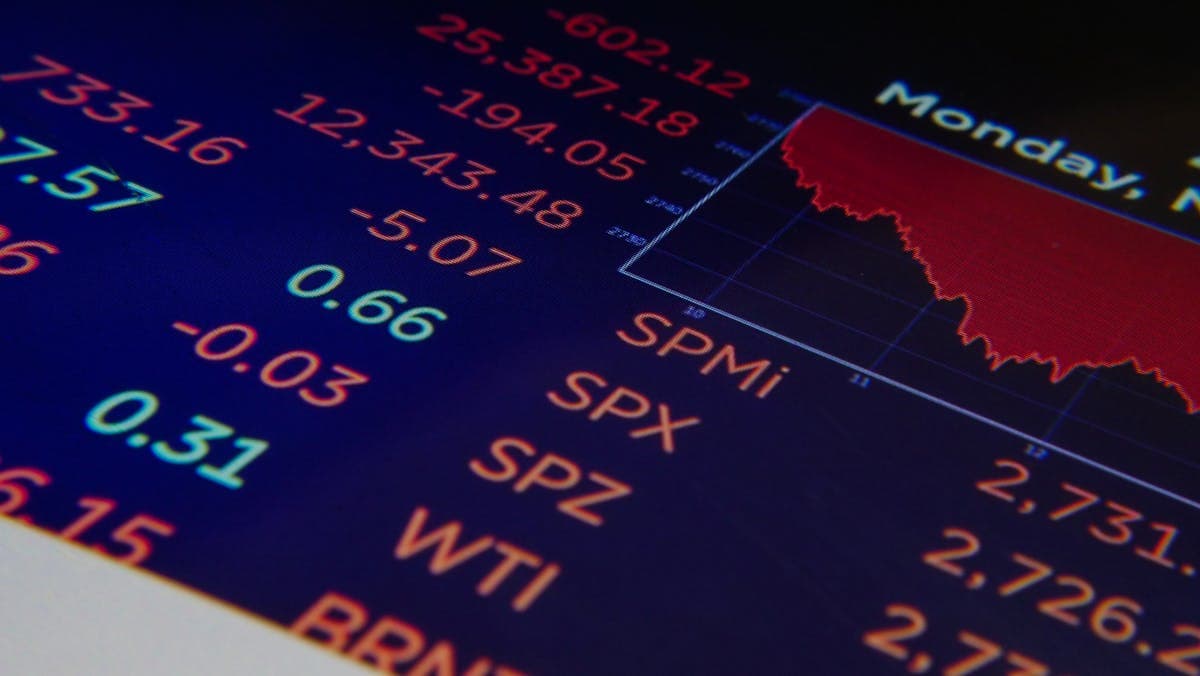
CryptoQuant analyst Darkfost dropped a bombshell data point this week: 38% of all altcoins are now trading near their all-time lows. That's not a typo. Nearly four in ten altcoins are essentially at rock bottom, and this reading is actually worse than the aftermath of the FTX collapse in November 2022, when the metric hit 37.8%.
Let that sink in. The FTX blowup was arguably the most catastrophic event in crypto history: a major exchange imploding, billions in customer funds vanishing, industry contagion spreading everywhere. And yet, by at least one measure, the altcoin market today is in worse shape than it was then.
Bitcoin Is Doing Fine, Though
Here's what makes this particularly strange: Bitcoin is holding up reasonably well. BTC is consolidating above $65,000, and on March 2, spot Bitcoin ETFs recorded $458 million in net inflows, snapping a multi-week losing streak. All 12 U.S. spot ETFs posted positive flows that day, with BlackRock's IBIT leading at $263 million and Fidelity's FBTC pulling in $95 million.
Bitcoin dominance sits at about 58%, firmly in "Bitcoin Season" territory. The CMC Altcoin Season Index reads 35 out of 100, meaning only about a third of the top altcoins have outperformed BTC over the past 90 days. According to Capriole Investments, just 21% of top altcoins beat Bitcoin over the last three months.
The divergence is stark. Institutional money is flowing into Bitcoin through regulated ETF products. Meanwhile, the rest of the crypto market is bleeding out.
Why Altcoins Are Getting Crushed
Several forces are converging to create this altcoin wasteland.
Liquidity drought: Global macro uncertainty, particularly from geopolitical tensions in the Middle East and tighter risk budgets across markets, has drained speculative capital from the most risk-on corner of crypto. When investors get nervous, altcoins are the first casualty.
Institutional preference for Bitcoin: The Bitcoin ETF products created an on-ramp that funnels traditional finance money directly into BTC, bypassing the altcoin market entirely. In Q1 2026, even with $4.5 billion in net ETF outflows overall, the structure of institutional flows consistently favors Bitcoin over everything else.
Oversaturation: The sheer number of tokens has exploded. Thousands of projects launched during the 2024-2025 cycle, many with minimal utility or differentiation. The market is doing what markets eventually do: culling the weak.
No clear narrative driver: Previous altcoin seasons were fueled by specific narratives: DeFi Summer in 2020, NFTs in 2021, the meme coin mania. Right now, there's no dominant theme pulling capital into altcoins as a category.
The Crypto Market Breadth Problem
The Crypto Market Breadth metric paints an even grimmer picture: it currently stands at just 8%. That means only a tiny fraction of altcoins are trading in positive territory. For context, this metric typically needs to be above 40-50% before anyone can credibly talk about broad market recovery.
The altcoin market isn't just down; it's experiencing concentrated capitulation. Money is leaving smaller tokens and either moving to Bitcoin, rotating into stablecoins, or leaving crypto entirely. This pattern shows up in the Binance data too: while ETF inflows are recovering, individual investor deposits on Binance dropped by roughly $5 billion over the past month.
Is This the Bottom?
Contrarians will point out that extreme readings like these have historically preceded major reversals. When 38% of altcoins are at all-time lows and sentiment is in "Extreme Fear," you're typically closer to a bottom than a top.
The Altcoin Season Index has a historical pattern: once it rebounds above 40 and holds for several weeks, an altcoin season tends to follow within one quarter. Some analysts project that if Bitcoin consolidates and macro liquidity improves, capital could start rotating into altcoins by Q2 2026.
But there's a structural argument that this cycle is different. Bitcoin's dominance isn't just cyclical this time; it's being reinforced by institutional infrastructure (ETFs, corporate treasuries, sovereign interest) that didn't exist in previous cycles. The "rising tide lifts all boats" dynamic that powered past altcoin seasons may simply not repeat.
What to Watch
Three signals will determine whether this is a buying opportunity or the beginning of a deeper altcoin washout.
First, Bitcoin's direction matters most. If BTC can break above $73,000-$75,000 resistance and hold, profit-taking capital historically flows downstream to altcoins. If Bitcoin drops below $62,000 support, expect the altcoin carnage to intensify significantly.
Second, ETF flow consistency. The $458 million inflow day was encouraging, but one day doesn't make a trend. Watch whether March maintains net positive flows or reverts to the Q1 outflow pattern.
Third, a narrative catalyst. Altcoin seasons don't start spontaneously; they need a story. Whether it's a DeFi breakthrough, a regulatory green light for specific token categories, or a new technology wave, something needs to give investors a reason to move down the risk curve again. Until that happens, Bitcoin's dominance is likely to hold.
References
- 38% of Altcoins Near All-Time Lows, Worse Than FTX: Is Altcoin Season Dead or Loading? - Coinpedia
- Altcoin capitulation deepens as 38% of tokens trade near ATL - Crypto.news
- Bitcoin ETFs Snap Losing Streak, $458M Inflow Ignites March Rally - CryptoTimes
- Why Altcoin Season Is Unlikely in 2026 - BeInCrypto
- Are altcoins coming back? Why Bitcoin season has staying power in 2026 - TradingView
Get the Daily Briefing
AI, Crypto, Economy, and Politics. Four stories. Every morning.
No spam. Unsubscribe anytime.