India Just Attracted $250 Billion in AI Investment Commitments in Five Days
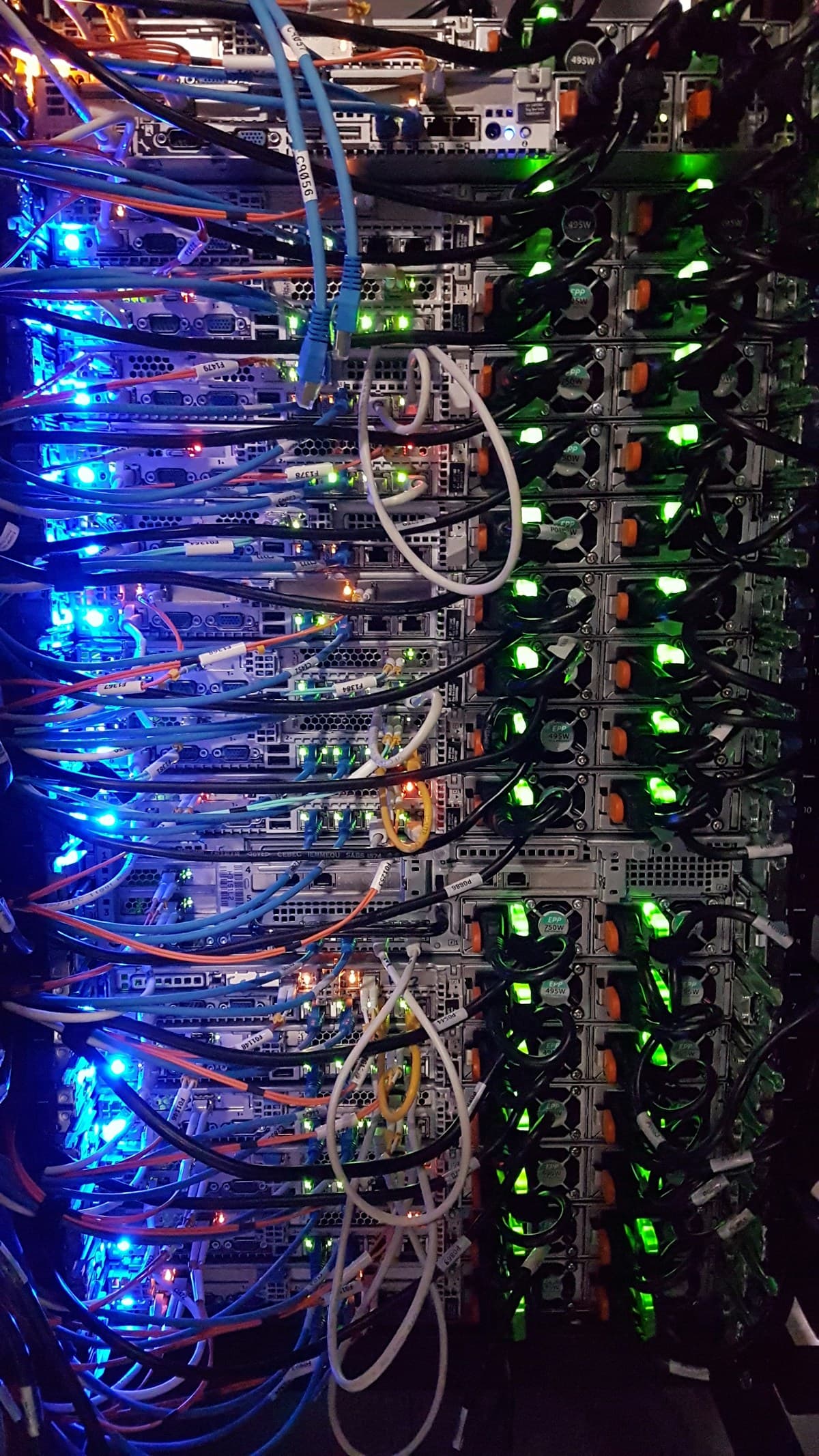
The Biggest AI Infrastructure Play Outside the United States
The India AI Impact Summit wrapped up today in New Delhi, and the numbers are staggering. Over the course of five days at Bharat Mandapam, the Indian government and its private sector partners attracted more than $250 billion in AI infrastructure investment commitments. That's not a typo. A quarter trillion dollars, pledged by some of the biggest names in technology and industry, all pointed at transforming India into a global AI hub.
The summit brought together more than 20 heads of state, over 60 ministers and deputy ministers, and the CEOs of virtually every major AI company on the planet. Sundar Pichai, Sam Altman, Dario Amodei, Jensen Huang, Satya Nadella, and Mukesh Ambani all showed up. When that many people at that level gather in one place, it's not a conference. It's a signal.
The Headline Deals
The single largest commitment came from the Adani Group, which pledged $100 billion to build renewable energy powered AI data centers across India by 2035. Gautam Adani framed the investment as more than just data centers, projecting it would trigger an additional $150 billion in related industries including server manufacturing, advanced electrical infrastructure, and sovereign cloud platforms. If those numbers hold, the Adani commitment alone would create a $250 billion ecosystem.
Reliance Industries and its telecom arm Jio announced $109.8 billion over the next seven years to build AI and data infrastructure. Google CEO Sundar Pichai announced a partnership with Reliance Jio for new cloud clusters and a 50 MW renewable energy project in Rajasthan to power AI data centers.
Microsoft confirmed it is on pace to invest $50 billion by the end of the decade to expand AI infrastructure across the Global South, with India as a primary beneficiary. Infrastructure giant Larsen & Toubro announced a proposed venture with NVIDIA to build AI ready data center infrastructure and advanced computing platforms designed to support large scale AI workloads.
On the startup side, Blackstone acquired a majority stake in Indian AI cloud startup Neysa as part of a $600 million equity fundraise, joined by Teachers' Venture Growth, TVS Capital, 360 ONE Asset, and Nexus Venture Partners. The Indian government separately earmarked $1.1 billion for a state backed venture capital fund targeting AI and advanced manufacturing startups.
Why India, Why Now
India's pitch to the global AI industry rests on three pillars: scale, cost, and talent. The country has 1.4 billion people, a rapidly growing digital economy, and one of the world's largest pools of software engineers. Data center land and electricity costs remain significantly lower than in the United States, Europe, or even parts of East Asia.
But the timing is equally important. The global memory chip shortage and data center capacity crunch that we covered yesterday are forcing AI companies to look beyond their traditional infrastructure markets. The United States is running out of power capacity for new data centers. Europe's regulatory environment adds complexity. China remains off limits for most Western companies due to export controls and geopolitical tensions. India, with its stable democratic government and English speaking workforce, fills a gap that the industry desperately needs filled.
The summit also coincides with a broader shift in how AI companies think about deployment. The first wave of AI infrastructure was concentrated in a handful of locations: Northern Virginia, Oregon, Iowa, and parts of Europe. The next wave will be global, and countries that can offer power, land, and regulatory clarity will capture disproportionate investment. India is making its case loudly.
The Water Problem Nobody Wants to Talk About
Not everything at the summit was rosy. One of the more sobering sessions focused on water stress from AI data centers, a topic that India's environmental researchers flagged as a serious concern. AI data centers are extraordinarily water intensive, requiring millions of gallons annually for cooling systems.
India already faces significant water scarcity in many regions, and the prospect of dozens of new large scale data centers competing for water with agriculture and drinking water supplies is a genuine policy challenge. The Adani commitment to renewable energy powered facilities addresses the electricity question, but the water issue remains largely unresolved. How India manages this tension between AI ambition and resource constraints will determine whether the $250 billion bet pays off sustainably or creates a new set of problems.
India's Governance Gambit
The summit wasn't just about money. India is positioning itself as a leader in AI governance, particularly for the developing world. The government used the event to advocate for what it calls a "Global South first" approach to AI regulation, one that prioritizes access and development rather than restriction.
This is a deliberate counterpoint to the European Union's AI Act, which many in the developing world view as overly burdensome and designed primarily to protect European consumers rather than enable global innovation. India's message is that AI governance should look different depending on where you sit in the global economy. A country where AI could transform healthcare delivery for hundreds of millions of people has different priorities than one where the biggest concern is chatbot misinformation.
More than 100 government representatives attended the summit, and the final communique is expected to include language about establishing an international AI governance framework that India would help lead. Whether this framework has teeth or remains aspirational will depend on follow up action, but the diplomatic ambition is clear.
What the CEOs Actually Said
The summit produced some remarkable public statements. Sam Altman said India could become "the most important AI market in the world within five years" and committed OpenAI to establishing a research presence in the country. Dario Amodei emphasized the importance of building AI infrastructure in democracies rather than authoritarian states, an implicit contrast with China's AI ambitions.
Jensen Huang, never one to understate anything, called India's AI potential "the most exciting story in technology right now." NVIDIA's partnership with local firms like Yotta for sovereign AI infrastructure and the L&T venture suggest the company is putting real resources behind that enthusiasm.
Mukesh Ambani, whose Reliance empire spans telecom, retail, and energy, used his keynote to argue that India's AI strategy should be built on "sovereign computing" rather than dependence on foreign cloud providers. His $109.8 billion commitment is the largest individual corporate pledge and reflects Reliance's strategy to control the full stack of India's digital economy, from 5G networks to cloud computing to AI inference.
The Scale Problem
Here's the reality check: $250 billion in commitments is extraordinary, but turning commitments into operational infrastructure is where things get complicated. India has a well documented history of ambitious infrastructure targets that underdeliver on timelines. Building data centers at the scale being discussed requires not just capital but reliable power grids, fiber optic connectivity, skilled construction labor, and regulatory approvals that can take years.
The Adani commitment, for instance, extends to 2035. That's nearly a decade away, and a lot can change in the AI industry over nine years. The technologies these data centers are designed to support may look completely different by then. Microsoft's $50 billion pledge is spread across the entire Global South, not just India. And corporate investment commitments, while significant, are not binding contracts. They're statements of intent that can be revised if market conditions change.
That said, even if only half of these commitments materialize on schedule, India would become one of the top three AI infrastructure markets in the world, alongside the United States and China. The momentum from this summit is real, and the global AI industry's interest in India as a build site is not going away.
What to Watch
The summit ends today, but the real work starts now. The immediate questions to track: which of these announced deals moves to actual construction permits and ground breaking, whether India's power grid can handle the projected load from dozens of new data centers, how the government resolves the tension between AI investment and water scarcity, and whether the governance framework India is proposing gains traction with other developing nations.
For the AI industry more broadly, the India summit marks a turning point. The era of AI infrastructure being concentrated in a handful of American states is ending. The companies that build the next generation of AI capacity will be building it globally, and India just made the strongest case yet for being at the center of that expansion.
References
- $250 billion power play: key deals from the 2026 India AI Impact Summit - Domain-b
- Factbox: Tech majors commit billions of dollars to India at AI summit - Reuters
- India AI Impact Summit: What to expect as tech CEOs head to New Delhi - CNBC
- India Fuels Its AI Mission With NVIDIA - NVIDIA Blog
- Major Funding Deals Kick off India AI Impact Summit - AI Business
Get the Daily Briefing
AI, Crypto, Economy, and Politics. Four stories. Every morning.
No spam. Unsubscribe anytime.